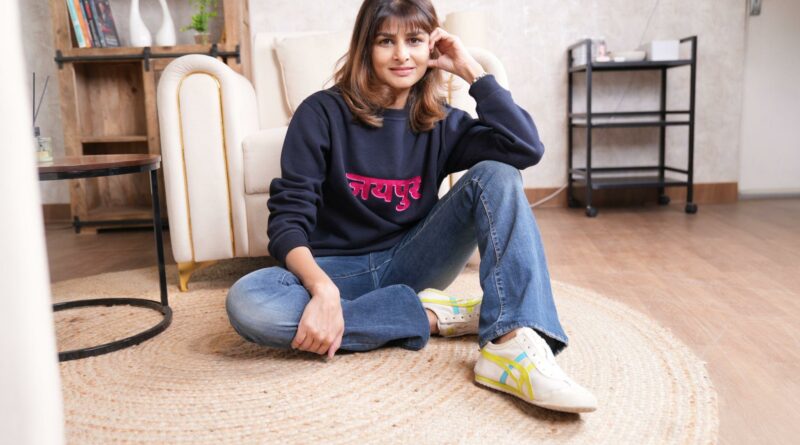
The New Generation Is Redefining Timeless Jewellery, Says Riddhima Kala
For generations, jewellery has been closely associated with tradition, family occasions and heirlooms passed from one generation to the next. But the meaning of a “timeless” piece is beginning to change. For younger jewellery buyers, timeless does not necessarily mean traditional, elaborate or reserved for special occasions. Increasingly, it means something that feels personal, relevant and wearable across different moments of life.
Riddhima Kala, a jewellery entrepreneur and curator, sees this shift as one of the most important changes taking place in the luxury jewellery space. Her perspective comes from looking at jewellery not simply as a product, but as a combination of identity, emotion, styling and personal expression.
Timeless Is Becoming Personal
The traditional idea of timeless jewellery has often centred around classic silhouettes, precious materials and designs that withstand changing fashion cycles. Those qualities remain important, but younger consumers are adding another consideration: Does this piece feel like me?
For this generation, jewellery is increasingly part of everyday self-expression rather than something taken out only for weddings, celebrations or formal occasions. A piece may need to work with Indian and Western wardrobes, transition from day to evening, or complement different aspects of an individual’s personality.
This is changing how buyers evaluate jewellery.
Instead of asking only whether a piece is valuable or traditional, they are increasingly considering whether it is versatile, distinctive and emotionally relevant.
Riddhima Kala believes this evolution should not be viewed as a rejection of heritage. It is a reinterpretation of it.
From Inheriting Tradition to Interpreting It
The jewellery industry has always had a strong relationship with legacy. Family traditions, craftsmanship and cultural symbolism remain deeply significant. But preserving heritage does not necessarily mean preserving every convention around it.
Riddhima Kala’s approach reflects this distinction. Her personal brand is built around the idea of being a “Legacy Editor”, someone who can bring a multi-generational jewellery story into conversation with a newer, sharper audience without stripping away its soul.
That requires understanding both sides.
The heritage matters because it gives jewellery depth and meaning. Contemporary interpretation matters because today’s consumers live differently, dress differently and express themselves differently.
For younger buyers, the most compelling jewellery may therefore be something that respects where it comes from while still feeling unmistakably their own.
The Rise of Intentional Jewellery Buying
Another important shift is the growing importance of intentionality.
With social media exposing consumers to an enormous range of designs and trends, discovering jewellery has become easier. Choosing well, however, has become more complicated.
Riddhima Kala’s philosophy places greater emphasis on helping people develop confidence in their choices. Her approach brings together jewellery intelligence, visual taste, emotional styling and storytelling rather than treating the purchase as a simple transaction.
This is particularly relevant for younger buyers, who often want jewellery to have a role beyond its immediate visual appeal. They want to understand how a piece fits into their lives and whether it can continue to feel relevant as their personal style evolves.
In that sense, timeless jewellery is becoming less about avoiding change and more about being able to move through change.
“I don’t think the new generation is moving away from heritage. They are asking for a version of heritage that speaks to them. Timelessness today is not about following an old definition of classic. It is about choosing something that continues to feel personal as you evolve.” — Riddhima Kala
Where Jewellery Goes Next
For Riddhima Kala, the opportunity for the jewellery industry lies in understanding this change without overcorrecting for it. The answer is not to abandon tradition in favour of every emerging trend. Nor is it to expect younger consumers to engage with heritage exactly as previous generations did.
The more interesting space lies between the two.
Jewellery can retain its craftsmanship, symbolism and emotional value while becoming more personal, versatile and relevant to contemporary lifestyles. That balance could shape how the next generation discovers, evaluates and ultimately chooses fine jewellery.
As consumer expectations continue to evolve, the brands and founders that understand this shift will have an advantage. Riddhima Kala’s perspective is rooted in a simple but increasingly relevant idea: legacy has greater longevity when it is allowed to evolve.
For the next generation of jewellery buyers, that may be what timelessness really means. Not jewellery that belongs to a particular era, but jewellery that continues to belong to them.